

Concrete is the most widely used construction material on the planet. From towering skyscrapers and massive bridges to residential foundations and rural roads, the durability and safety of our infrastructure depend entirely on the quality of this seemingly simple mixture of cement, water, and aggregates. However, behind every successful pour lies a deep foundation of professional concrete knowledge. Without a solid understanding of the science behind the material, even the most expensive equipment and skilled labor can result in weak, cracked, and failing structures.
Whether you are a project manager, a site engineer, or a contractor operating in remote locations, possessing a strong grasp of concrete technology is non-negotiable. This comprehensive guide explores the essential principles of concrete mix design, the critical factors affecting its strength, and how modern equipment is revolutionizing the way we batch and pour concrete on-site.
The Fundamentals of Concrete Mix Design
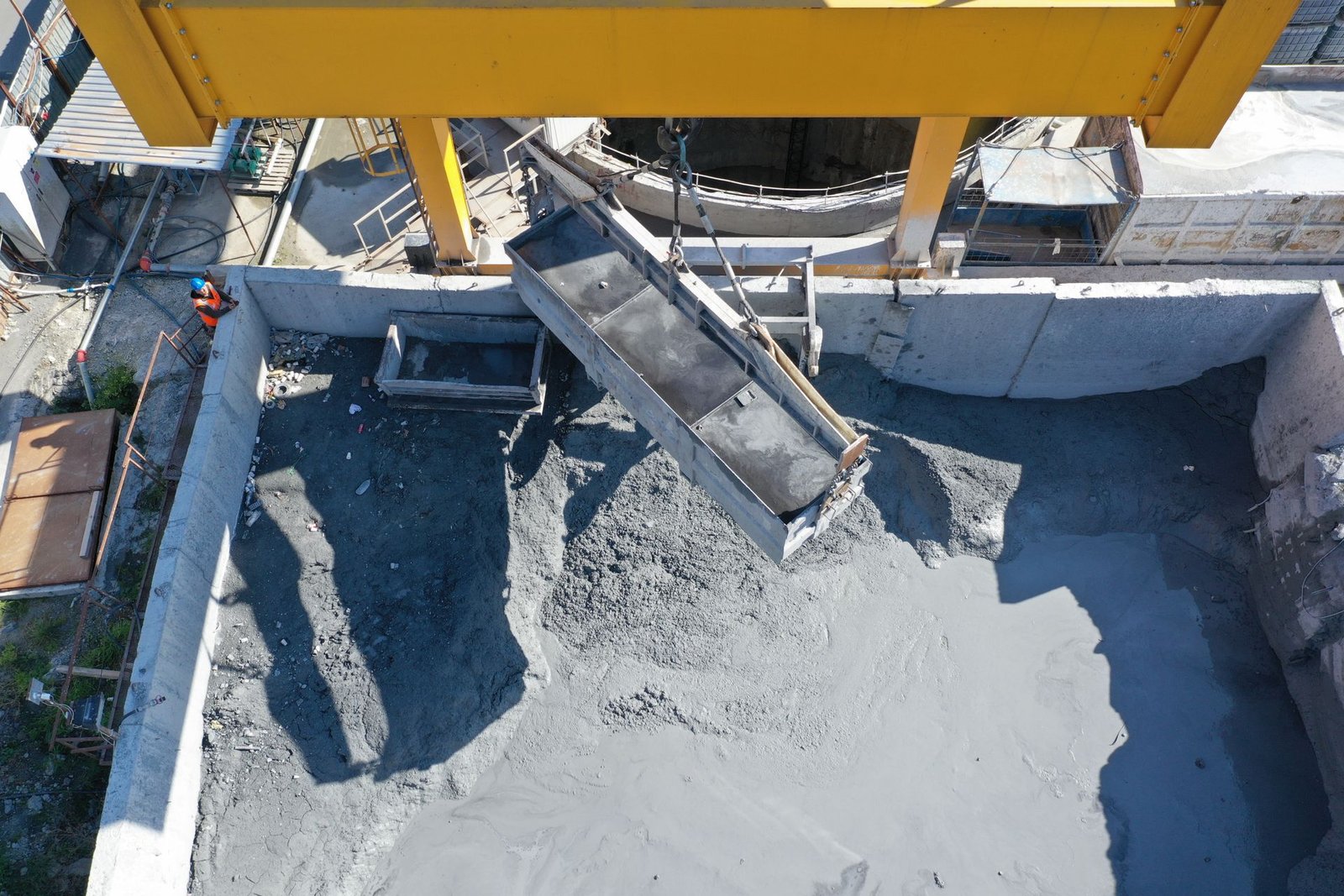
At its core, concrete is a composite material composed of coarse aggregate, fine aggregate, cement, and water. The art and science of combining these ingredients in the correct proportions is known as mix design. A properly designed mix must achieve specific goals: it must be workable while fresh, strong and durable when hardened, and economically viable.
Key Components: Cement, Aggregates, Water, and Admixtures
Each component plays a critical role. Cement acts as the binder. Aggregates (sand, gravel, or crushed stone) provide the bulk and structural skeleton of the concrete. Water initiates the chemical reaction (hydration) that causes the cement to harden. Additionally, modern concrete often includes admixtures—such as plasticizers, accelerators, or retarders—to modify the properties of the mix for specific job site conditions, such as extreme heat, freezing temperatures, or the need for rapid setting.
The Golden Rule: The Water-Cement Ratio
If there is one piece of professional concrete knowledge that every operator must master, it is the water-cement ratio. This ratio represents the weight of the water divided by the weight of the cement. It is the single most important factor determining the compressive strength and durability of the final product. Too much water creates a porous, weak concrete that is prone to shrinkage, cracking, and freeze-thaw damage. The ideal water-cement ratio typically ranges from 0.4 to 0.6. Understanding this ratio prevents the common mistake of adding water to make the concrete easier to pour at the expense of its structural integrity.

Crucial Metrics for Concrete Performance
To ensure your concrete meets engineering standards, you must be able to measure and evaluate its performance. Two metrics are paramount: slump and compressive strength.
Slump and Workability
The “slump” test is the standard method for measuring the consistency and workability of fresh concrete. A higher slump indicates a wetter, more flowable mix, which is easier to pump and place into complex formwork. However, a high slump often comes at the cost of reduced strength. A professional approach involves finding the optimal balance where the concrete is workable enough for the placement method (e.g., pump, crane bucket, or direct chute) without compromising the water-cement ratio.
Compressive Strength and Durability
Compressive strength is the primary structural property of concrete, usually measured in PSI (pounds per square inch) or MPa (megapascals) after 28 days of curing. Beyond raw strength, durability is critical. Concrete must resist environmental attacks, including sulfate attack, alkali-silica reaction, and corrosion of reinforcing steel. Using high-quality aggregates and maintaining a low water-cement ratio are essential steps to ensure long-term durability.
Best Practices for Pouring and Curing Concrete
Even a perfect mix design can fail if the concrete is not properly placed and cured. These processes require strict adherence to best practices to ensure the concrete reaches its full potential.
Preparation and Pouring Techniques
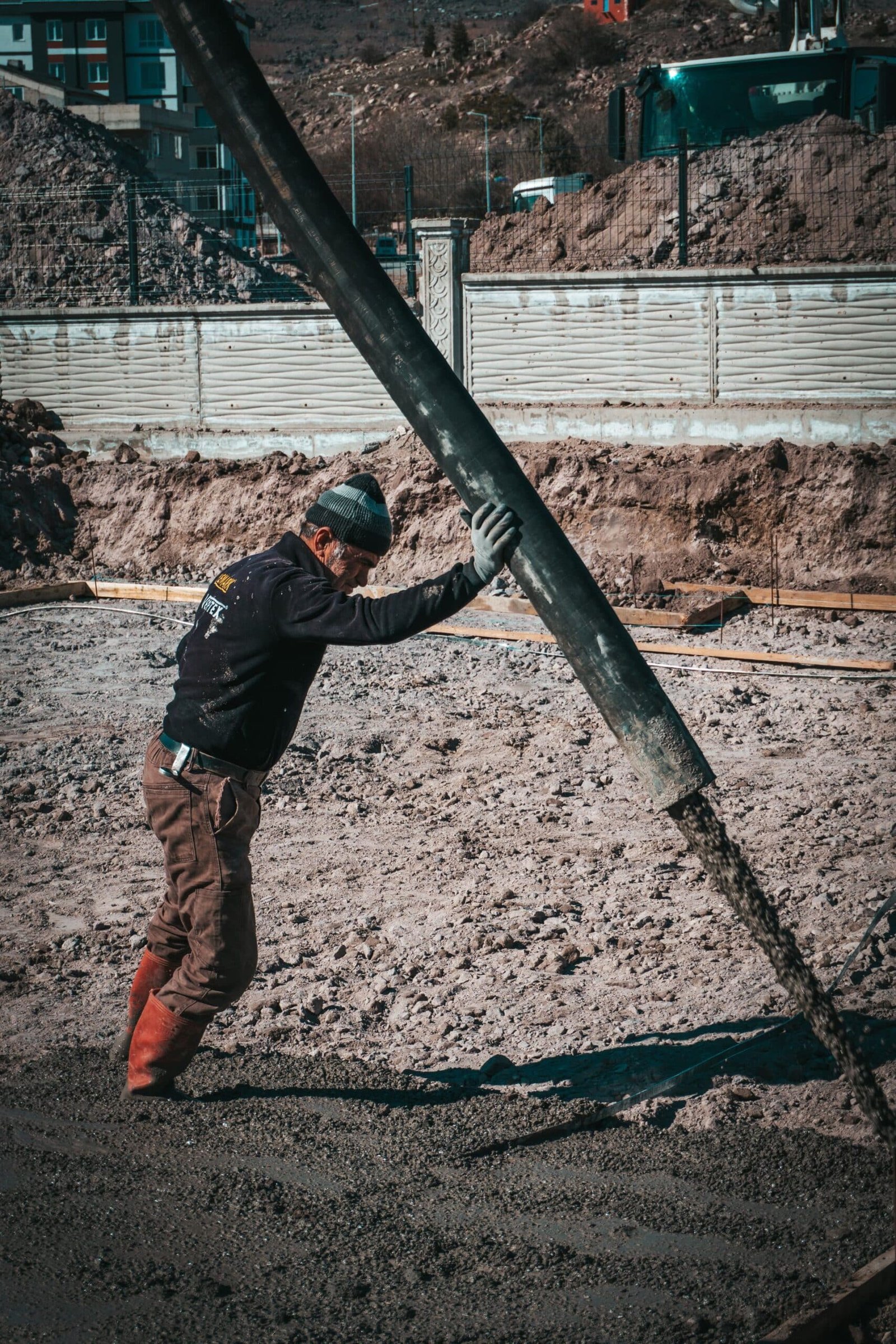
Before any concrete is poured, the subgrade must be properly compacted and leveled. Formwork must be sturdy and sealed to prevent leakage of the cement paste. When pouring, it is crucial to avoid segregation—the separation of aggregates from the cement paste. This can happen if the concrete is dropped from too high a height or if it is over-vibrated. Proper consolidation using internal vibrators removes trapped air pockets and ensures the concrete fully encapsulates the reinforcing steel.
The Importance of Curing
Curing is the process of maintaining adequate moisture and temperature in the concrete immediately after placement. Curing allows the cement to continue hydrating and gaining strength over time. If concrete dries out too quickly, the hydration process stops, leading to surface cracking and a significantly weaker final product. Professional concrete knowledge dictates that curing should begin immediately after finishing and continue for at least 7 days (or longer for high-performance mixes). Methods include wet coverings, plastic sheeting, or the application of curing compounds.
Common Mistakes in On-Site Mixing and How to Avoid Them
On remote construction sites where ready-mix concrete is unavailable, contractors often rely on on-site batching. This introduces a higher risk of human error. Here are the most common pitfalls:
Adding Too Much Water on Site
As mentioned earlier, adding water to increase workability is the most common and damaging mistake. On-site batching demands strict measurement. Using advanced equipment with precise electronic weighing systems eliminates the guesswork, ensuring the exact proportions of cement, sand, gravel, and water are used for every batch.
Ignoring Temperature Control
Extreme temperatures can ruin a concrete pour. In hot weather, concrete sets too quickly, making it difficult to finish and increasing the risk of plastic shrinkage cracks. In cold weather, the water in the mix can freeze, expanding and destroying the concrete’s internal structure. Professional contractors adjust their mix designs and use admixtures to mitigate temperature extremes.
How Modern Equipment Enhances Concrete Quality
Theoretical knowledge must be paired with reliable execution. This is where modern construction machinery, specifically the self-loading concrete mixer truck, bridges the gap between theory and reality. As a trade-manufacturing integrated enterprise, HIGHLAND Heavy Machinery designs equipment that empowers operators to apply professional concrete knowledge with maximum precision and efficiency.
Precision Batching with Electronic Weighing
HIGHLAND self-loading concrete mixer trucks are equipped with advanced electronic weighing systems. Operators can input the exact mix design, and the machine automatically measures the precise amount of aggregates and cement. This technology eliminates human error, ensuring the water-cement ratio and overall mix proportions are mathematically perfect for every single batch.
Superior Mixing and Homogeneity
The heart of our mixer is its heavy-duty hydraulic system. Powered by a robust diesel engine, the hydraulic motor drives the drum with immense torque, ensuring fast, thorough mixing even with dense, low-slump concrete. The ability to quickly produce a homogeneous mix means less waiting time between batches, which directly translates to higher daily output and lower labor costs, all while maintaining the highest quality standards.
Conclusion: Build Smarter with HIGHLAND Heavy Machinery
Mastering professional concrete knowledge is a continuous journey. It requires an understanding of material science, a commitment to strict quality control, and the right tools for the job. By combining the powerful, all-in-one functionality of HIGHLAND self-loading concrete mixer trucks with a deep understanding of water-cement ratios, slump control, and proper curing techniques, your construction company can drastically reduce costs, eliminate logistical delays, and deliver superior quality concrete on every project.
Ready to upgrade your concrete production capabilities? Contact HIGHLAND Heavy Machinery today for a customized quote and expert advice on selecting the perfect self-loading concrete mixer truck for your next project. Let’s build the future, one perfectly mixed batch at a time.